
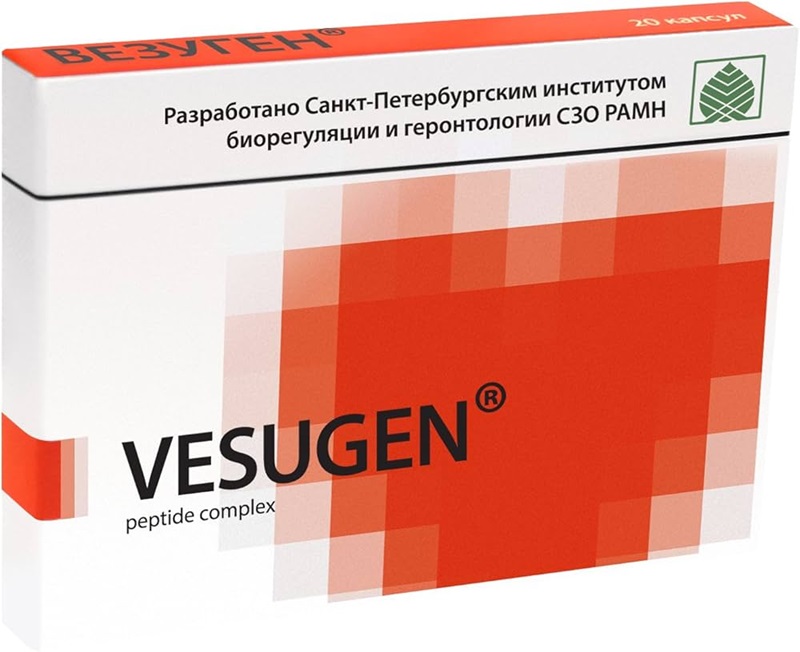
Within the realm of contemporary peptide research, there's a growing focus on short regulatory peptides, particularly those involved in system-level coordination rather than isolated biochemical reactions. Vesugen, a short peptide with vascular relevance, stands out in this context. It's believed to function as an informational modulator, influencing biological processes through timing, localization, and structural affinity. Studies suggest that Vesugen's role extends beyond traditional vascular interpretations, potentially influencing how the body organizes and maintains its internal structures under various conditions.
Vesugen's structural simplicity, a short peptide sequence, is considered a key characteristic. Research suggests that these minimal sequences can possess high informational density, particularly when their amino acid composition aligns with conserved signaling motifs. Vesugen is hypothesized to interact subtly with cellular environments, potentially influencing signaling thresholds and structural responsiveness. It may operate at cellular interfaces like membranes and cytoskeletal elements, where spatial organization and timing are critical. The peptide's amino acid arrangement is thought to confer selective affinity toward vascular-associated tissues, integrating into environments already predisposed to its informational signature.
Vesugen's relevance to vascular systems is a primary area of investigation. Research indicates that vascular tissues may serve
Vesugen: The Revolutionary Peptide That's Changing Medicine?
Discover the groundbreaking research on Vesugen, a peptide with the potential to revolutionize how we understand and treat vascular health. Learn how this tiny molecule could hold the key to structural memory and systemic coordination.
24
visualizações
0
curtidas
0
comentários







0 Comentários
Entre para comentar
Use sua conta Google para participar da discussão.
Política de Privacidade
Carregando comentários...
Escolha seus interesses
Receba notificações personalizadas