
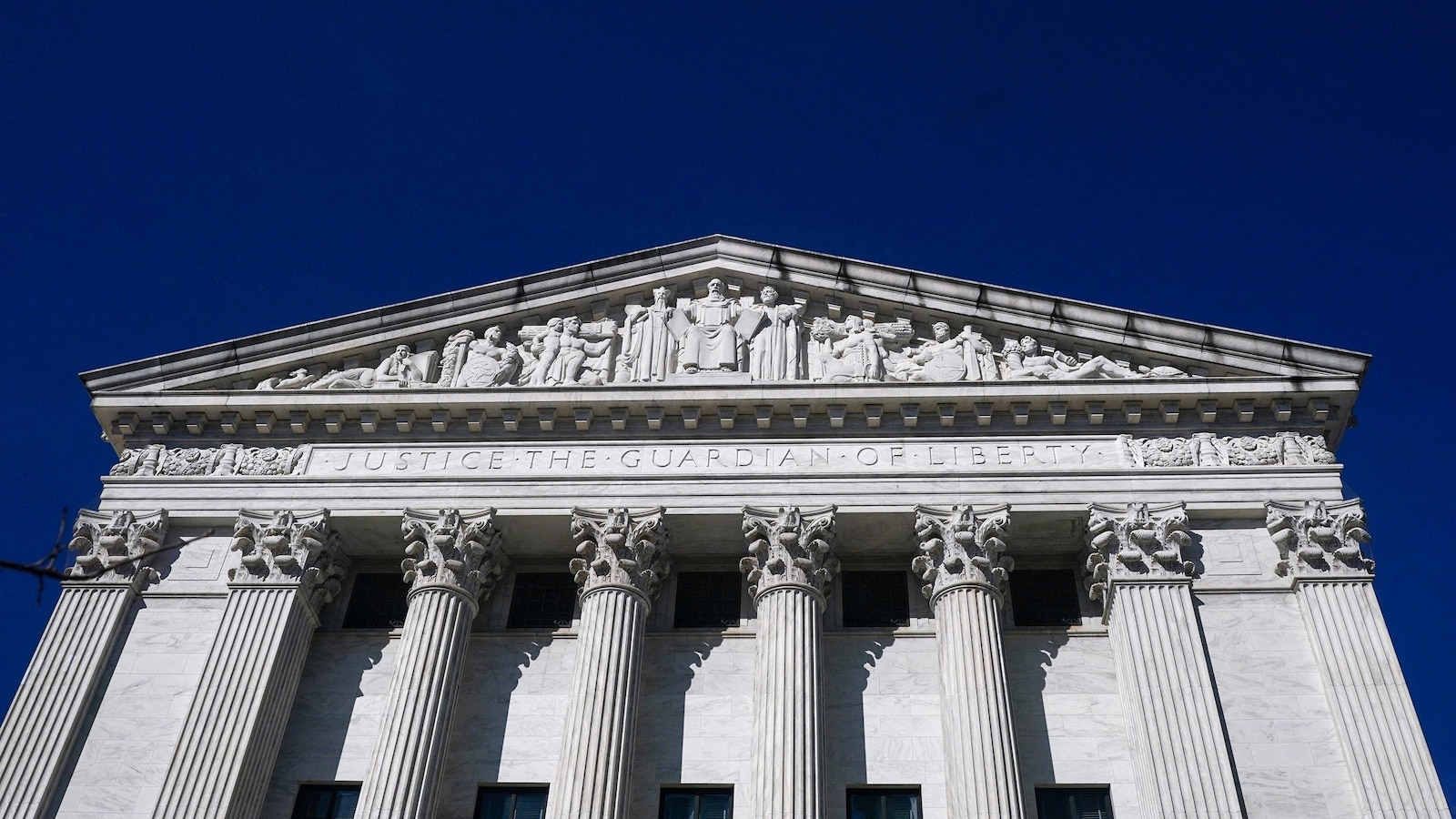
In a pivotal ruling announced on Wednesday, the Supreme Court has invalidated Louisiana's second majority-Black congressional district in the case of Louisiana v. Callais. The Court concluded that race-based redistricting under Section 2 of the Voting Rights Act of 1965 is unconstitutional. This 6-3 decision not only alters the electoral map of Louisiana but also signifies a drastic change in the legal interpretation of equality, voting rights, and Congress' authority to uphold the Reconstruction Amendments.
1. **Race-conscious remedies are now deemed unconstitutional**: For over four decades, Section 2 of the Voting Rights Act mandated that electoral systems producing racially discriminatory outcomes violate federal law, regardless of intent. In Louisiana, a federal court had found that a post-2020 map with just one majority-Black district likely undermined Black voting power. The legislature created a second majority-Black district in response, a remedy the Supreme Court has now ruled unconstitutional, asserting that intentionally forming a majority-minority district violates the Equal Protection Clause. This ruling effectively enshrines a principle of "colorblindness," prohibiting race-conscious solutions to address documented racial discrimination in voting.
2. **The effective end of Section 2’s operational safeguard**: The recent ruling marks a significant loss for Section 2, which had been the last remaining safeguard of the Voting Rights Act. Thirteen years ago, the
Supreme Court's Historic Ruling on Voting Rights: What You Must Know!
The Supreme Court's decision in Louisiana v. Callais has profound implications for voting rights across the nation. Discover the key takeaways and what this means for future elections.
7
visualizações
0
curtidas
0
comentários







0 Comentários
Entre para comentar
Use sua conta Google para participar da discussão.
Política de Privacidade
Carregando comentários...
Escolha seus interesses
Receba notificações personalizadas