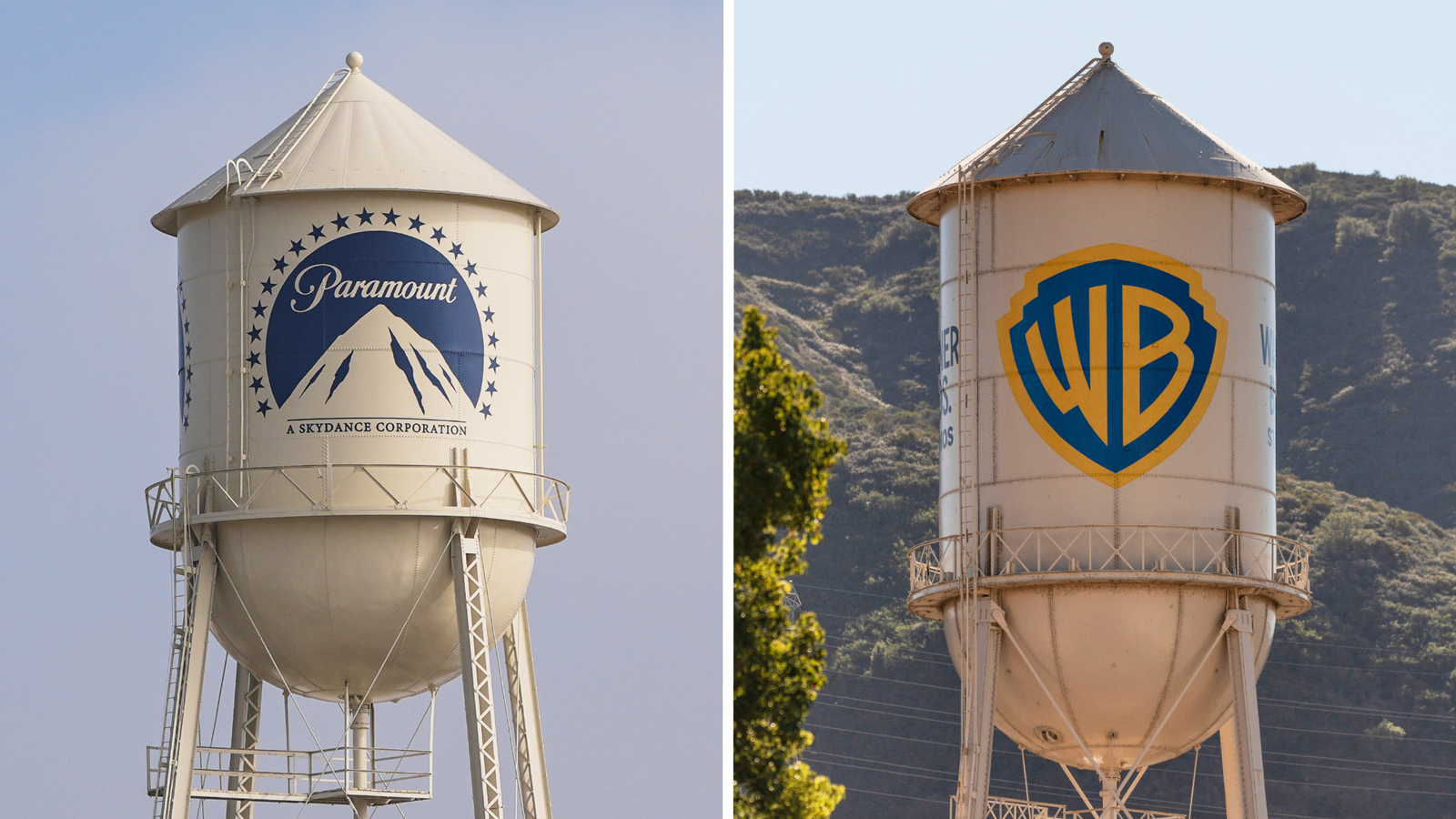
NEW YORK -- The proposed $81 billion merger between Warner Bros. Discovery and Paramount has gained significant approval from shareholders, advancing a deal that could dramatically alter the landscape of Hollywood and the broader media industry. According to a preliminary vote count released on Thursday, a large majority of Warner Bros. Discovery shareholders supported the sale of the entire company to Paramount at a price of $31 per share. When factoring in debt, the total value of the deal is close to $111 billion. Paramount, under Skydance ownership, aims to acquire all of Warner, which would mean that popular brands like HBO Max, the "Harry Potter" franchise, and CNN could soon operate alongside CBS, "Top Gun," and the Paramount+ streaming platform. The approval from shareholders significantly enhances the chances of this merger materializing, although it still has to navigate through various regulatory reviews, including scrutiny from the U.S. Department of Justice. Warner anticipates that the deal will be finalized sometime in the third fiscal quarter.
Paramount's pursuit of Warner has not been without challenges. Initially, Warner’s board showed hesitance towards the Paramount merger, having previously rejected similar overtures in favor of a $72 billion deal with Netflix. In response, Paramount took the aggressive route by making a hostile bid to acquire Warner entirely, including its cable businesses that Netflix was not interested in. The three companies engaged
in a prolonged public battle over which had the superior offer, with Warner's board consistently backing Netflix until Paramount ultimately proposed a more lucrative deal, leading Netflix to withdraw from the competition. Although this corporate saga seems to have reached a conclusion, its consequences remain significant, with numerous actors, directors, and writers expressing strong opposition to the merger, citing concerns over job losses and reduced options for creators and audiences.
Several lawmakers have also raised alarms, emphasizing that the implications go beyond corporate interests to touch on who controls media and storytelling. Senator Cory Booker articulated this concern, stating, "What is at stake is clearly not just a corporate deal, but who controls news, who controls entertainment, who controls storytelling." The merger would unite two of the remaining five legacy studios in Hollywood while merging two substantial streaming services—Paramount+ and HBO Max—and key players in U.S. television news, including CBS and CNN. Executives from both companies argue that the merger will be beneficial for consumers, providing access to an expanded library of content, especially if HBO Max and Paramount+ consolidate into a single streaming service. Paramount CEO David Ellison has assured filmmakers by promising a 45-day theatrical window and a target of releasing 30 films annually between the two brands, which he claims will continue to operate independently within the merged entity.
Nevertheless, the new ownership will likely pursue cost-cutting measures, which could involve layoffs and the downsizing of overlapping operations. Critics express skepticism about potential consumer advantages, warning that the merger could lead to increased streaming prices and decreased diversity in content. In the news sector, CBS has already undergone notable editorial changes since being acquired by Skydance, particularly with the appointment of Bari Weiss as editor-in-chief. If the Warner acquisition proceeds, similar alterations at CNN are anticipated given its contentious history with Donald Trump. While both the Justice Department and company leaders assert that political considerations will not influence the regulatory review, Trump has occasionally intervened in discussions about Warner's future, despite retracting his earlier claims of involvement. Trump is also closely connected to the Ellison family, especially billionaire Larry Ellison, who is financially backing the bid for his son's company. Additionally, Paramount has secured investments from various sovereign wealth funds, including from Saudi Arabia, the UAE, and Qatar. However, these investors will not hold voting rights in a prospective Paramount-Warner merger, as noted in regulatory filings, which have not disclosed the exact amounts being contributed. Regulatory bodies in other countries, including those in Europe, are also examining the deal, and there are indications that some states may seek to challenge it; notably, California's Attorney General Rob Bonta has voiced strong opposition and is conducting an investigation into the transaction.
📝 Sobre este conteúdo
Esta matéria foi adaptada e reescrita pela equipe editorial do TudoAquiUSA
com base em reportagem publicada em
Abc7news
. O texto foi modificado para melhor atender nosso público, mantendo a precisão
factual.
Veja o artigo original aqui.





0 Comentários
Entre para comentar
Use sua conta Google para participar da discussão.
Política de Privacidade
Carregando comentários...
Escolha seus interesses
Receba notificações personalizadas