

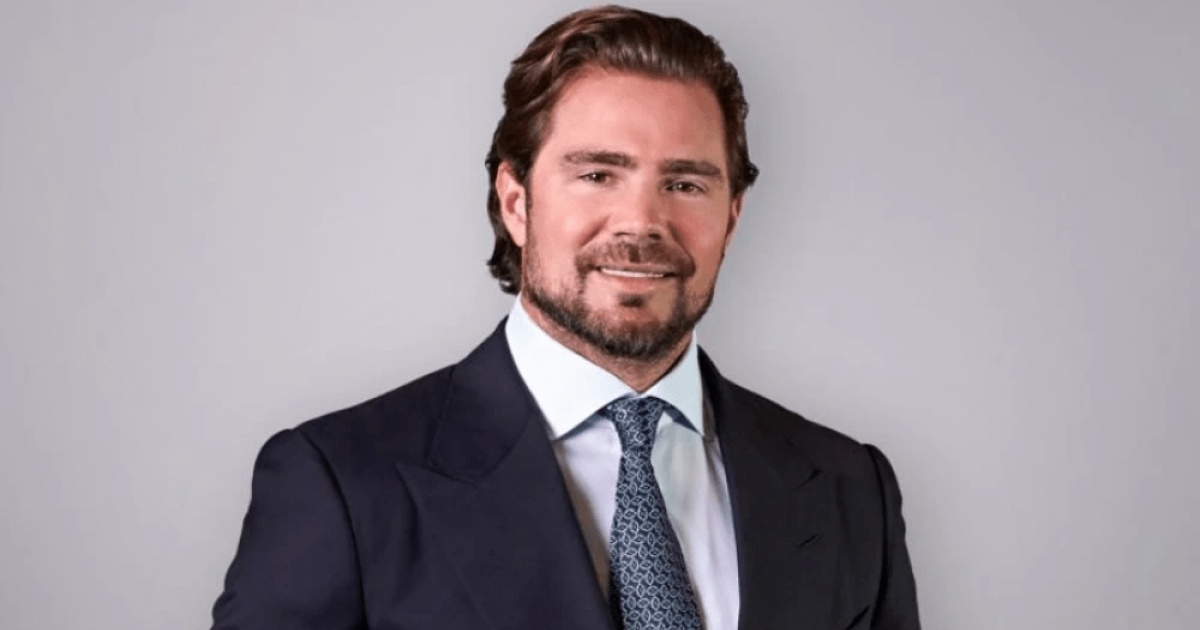
Ben Bernanke's Federal Reserve navigated the 2008-2009 financial crisis. Now, Kevin Warsh takes over as the new boss of the central bank. To address the crisis, Bernanke, along with others, implemented controversial measures: slashing rates to zero, injecting liquidity into the banking system, and bailing out AIG. While Bernanke's methods are debated, his mandate was clear: prevent a second Great Depression. His 'Quantitative Easing' aimed to protect the banking system. As Warsh begins his term, he faces a different world. Where Bernanke printed money, Warsh lacks consensus to cut short-term interest rates. Meanwhile, the Fed's policy board is no longer unified. Jerome Powell, the man he's replacing, will continue to vote on interest rates, even defying custom. Powell says he's staying until an inquiry into his Senate testimony is over. Warsh faces a very different challenge: balancing the fight against inflation with pleasing the demands of the President who appointed him. The Fed's policy-making body, the Open Market Committee, is no longer a monolith of agreement, adding another layer of complexity to Warsh's role.
📝 Sobre este conteúdo
Esta matéria foi adaptada e reescrita pela equipe editorial do TudoAquiUSA
com base em reportagem publicada em
Nypost
. O texto foi modificado para melhor atender nosso público, mantendo a precisão
factual.
Veja o artigo original aqui.




0 Comentários
Entre para comentar
Use sua conta Google para participar da discussão.
Política de Privacidade
Carregando comentários...
Escolha seus interesses
Receba notificações personalizadas