
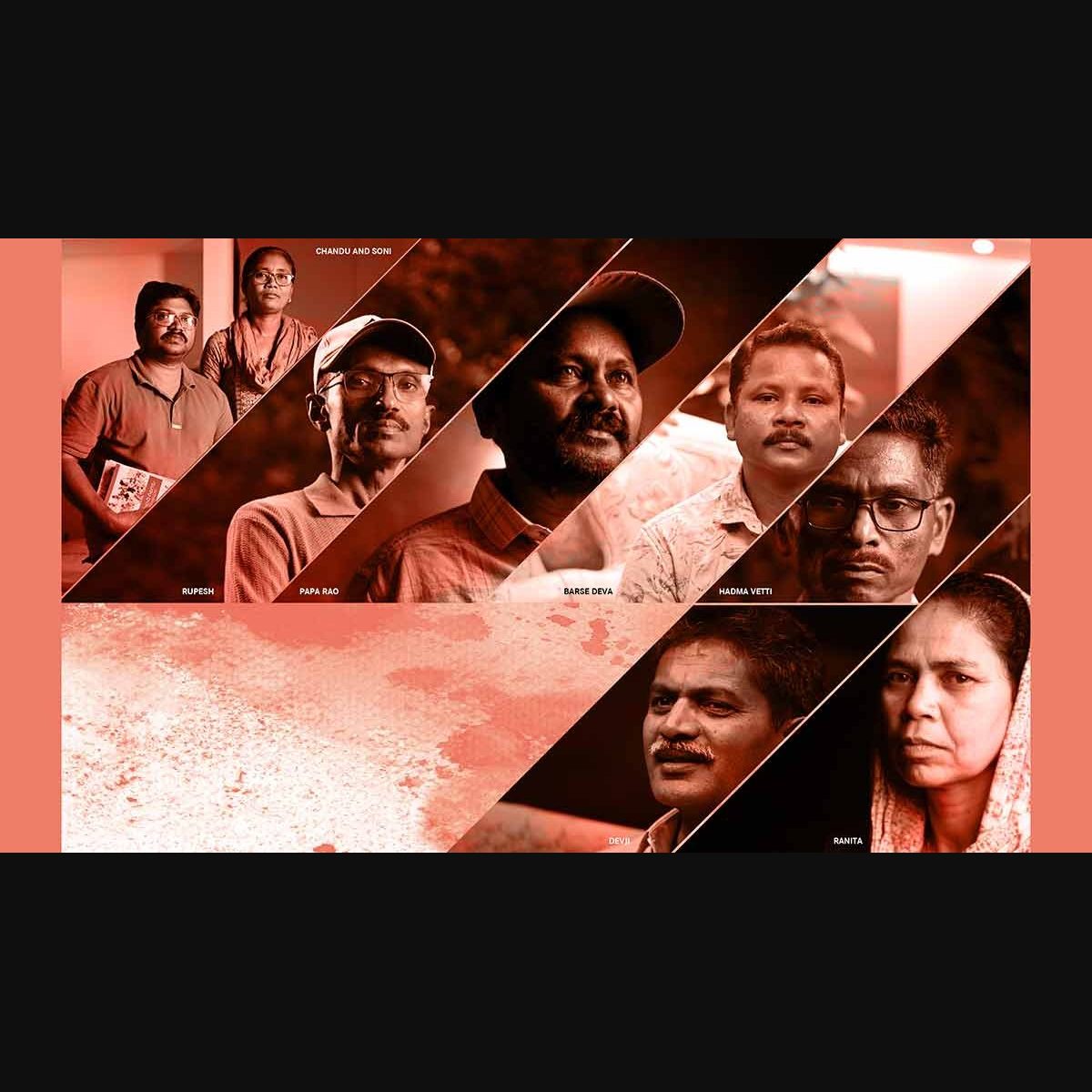
Barse Singe, an elderly woman, awaits her son Barse Deva's return, a former commander of the People's Liberation Guerrilla Army (PLGA). Deva, who led numerous attacks, including the 2013 Jheeram Ghati attack and the 2010 Tadmetla attack, recently surrendered. He was born in Puvarti, a village that has produced several Maoist commanders. Deva and his childhood friend Madavi Hidma, the PLGA commander-in-chief, grew up together, later engaging in violence. Hidma's death last November led Deva to surrender. The last stretch to Puvarti remains difficult to access. Singe hopes for her son's homecoming. Deva, who left behind his family, now wants his son to receive an education. He admits that roads and schools were targets, as they were seen as detrimental to the people's interests. He also acknowledges that times have changed, and people now want basic facilities. The left-wing extremism in India originated from the 1967 Naxalbari uprising. In 2024, the government aimed to eradicate left-wing extremism. Over 2,000 cadre surrendered, and 600 Maoists were neutralized. Disillusionment is growing across the region. The Maoists initially benefited from dense forests and difficult terrain. The state responded by expanding police infrastructure and recruiting local youth. Basanti, a member of the DRG, feels her job is about reclaiming opportunities. Raveena Suri, a BTech graduate, shares a similar story. Sundarraj Pattilingam, inspector general of the Bastar Range, notes the increased police
Inside India's Maoist Insurgency: The Surrender of the Last Commanders
A look into the lives of the last Maoists in India, their surrender, and the changing landscape of the conflict.
9
visualizações
0
curtidas
0
comentários






0 Comentários
Entre para comentar
Use sua conta Google para participar da discussão.
Política de Privacidade
Carregando comentários...
Escolha seus interesses
Receba notificações personalizadas